Chianti Classico – a new top quality level

If you had to choose a wine style or region from the 'Old World' that you really didn't want to live without, there would surely be many contenders - Rioja, Barolo, Burgundy, Bordeaux, Champagne etc. etc. etc.. However, one wine that I would definitely add to this list is Chianti Classico, a DOCG appellation lying between Florence and Siena in the Italian region of Tuscany.
In 1716, Cosimo III, Grand Duke of Tuscany officially delimited the 'Chianti' production zone. However, in the early 20th Century, wine also labelled Chianti, began to be made outside this area. Therefore, in 1924, winemakers of the original Chianti created a Consortium, symbolised by the military Black Rooster Trademark, to protect the style, quality and name/reputation of their wines. Eight years later, a decree was issued allowing the addition of the suffix 'Classico' to distinguish those wines made within the original production zone. Today there are 7,200 hectares of vineyards registered as Chianti Classico within a total vineyard area of 10,000 hectares. The wine must comprise a minimum 80% of Sangiovese and a maximum 20% of other red indigenous or international grape varieties. Chianti Classico is exported to more than 50 countries, including USA (31% of exports in 2013), Germany (10%) and UK (6%).
In 2013, a major development was undertaken, with a new top quality level agreed by the Consorzio Vino Chianti Classico. A classification of 'Gran Selezione' was created for wines, made from grapes selected from an estate's best vineyards or single vineyard, which have been aged for at least 30 months including three in bottle. The second level is termed 'Riserva', for which the minimum ageing requirement is 24 months including three in bottle and below that is 'Annata' (12 months' ageing). Minimum alcohol percentages are 13%, 12.5% and 12% respectively. Additionally, in order to receive appropriate certification, the winemaker must declare in advance the classification of wine for which he/she is applying. This ensures a careful pre-selection of grapes and encourages even more judicious advance decision making on the final wine style. In order to achieve Gran Selezione certification, tests are conducted by authorised laboratories and tasting panels to ensure that the chemical and organoleptic characteristics are suitable.
The principal constituent grape of Chianti Classico is Sangiovese, known for its fresh fruity flavours, particularly when young, redolent of sour cherries, with plums and/or strawberries often present too. The fruit profile is complemented by earthy, leafy qualities, a touch of spice, high acidity and medium-high tannins. There may also be notes of leather.
The UK debut of Chianti Classico Gran Selezione took place in London on 25th November and a few of the many highlights are mentioned below:-

- Marchesi Antinori Chianti Classico DOCG Gran Selezione Badia a Passignano 2009 (100% Sangiovese) – available in the UK from Berkmann Wine Cellars.
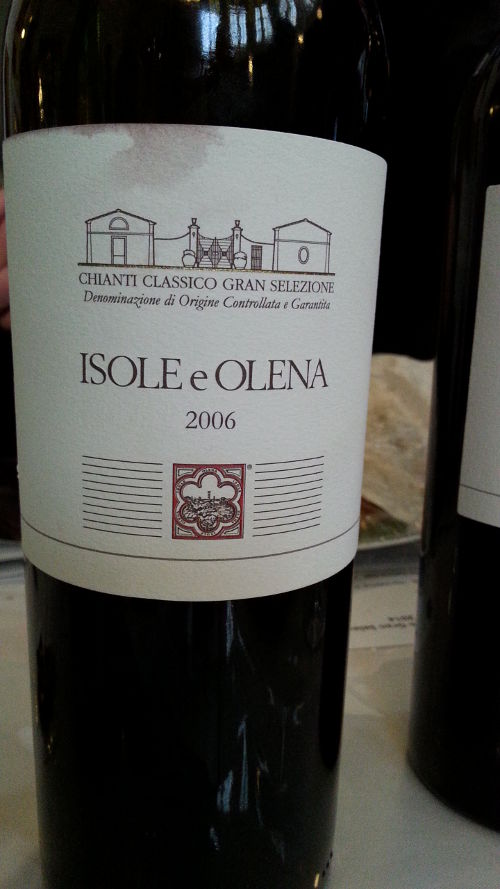
- Isole e Olena Chianti Classico DOCG Gran Selezione Isole e Olena 2006 (80% Sangiovese, 12% Cabernet Franc, 8% Syrah) – available in the UK from Liberty Wines.
- Vignole Chianti Classico DOCG Gran Selezione Crespine 2009 (90% Sangiovese, 10% Cabernet Sauvignon) – available in the UK from Belloni Ltd..
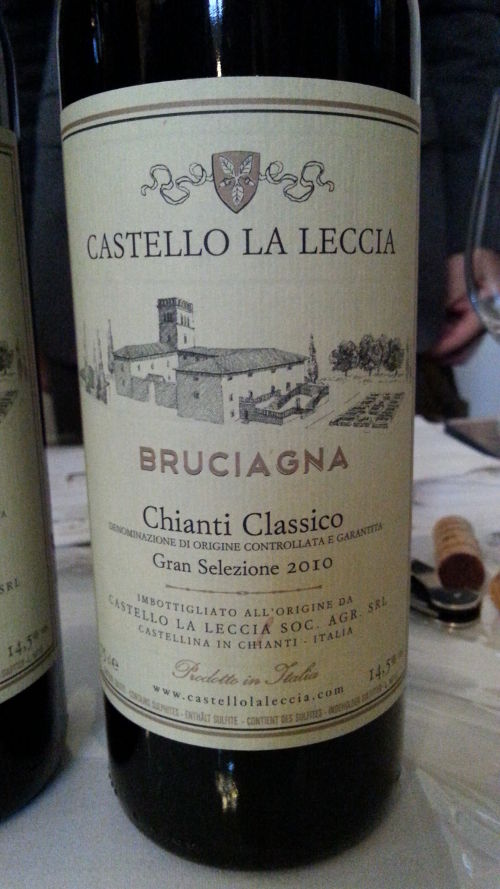
- Castello La Leccia Chianti Classico DOCG Gran Selezione Bruciagna 2010 (100% Sangiovese).
- Castello d'Albola Chianti Classico DOCG Gran Selezione Il Solatio 2010 (100% Sangiovese) – available in the UK from Zonin UK Ltd..
- Castello di Volpaia Chianti Classico DOCG Gran Selezione Il Puro – Vigneto Casanova 2010 (100% Sangiovese) – available in the UK from Lay & Wheeler Ltd..
- Fattoria di Corsignano Chianti Classico DOCG Gran Selezione L'Imperatrice 2010 (100% Sangiovese) – available in the UK from Liberty Wines.
- San Felice Chianti Classico DOCG Gran Selezione Il Grigio da San Felice 2010 (80% Sangiovese + Albrusco, Pugnitello, Malvasia Nera, Ciliegiolo and Mazzese) – available in the UK from Boutinot Ltd..



This article is also available on The Alcohol Professor website.