Ronchi di Castelluccio: Romagna's hidden gem!

Emilia Romagna
Emilia-Romagna is an administrative region in Northern Italy comprising Romagna (including Ravenna and Rimini) in the east and Emilia (including Parma, Modena and Bologna) in the central/western part. Emilia is defined by the flat, fertile Po Valley, while Romagna is characterised by pre-Apennine hills that lie closer to the Adriatic coast.
In terms of viticulture, native grapes dominate, particularly Trebbiano Romagnolo, Trebbiano Toscano, Albana and Sangiovese in Romagna, and mainly Lambrusco varieties in Emilia - especially around the province of Modena - plus Ancellotta, Barbera, Croatina and Grechetto.
With a long history of winemaking, the region is perhaps best known for Lambrusco. This much maligned Italian sparkling wine, most of which is produced around the province of Modena, has been experiencing a resurgence recently. However, there are many more styles to be found here, such as the still wines of Romagna.
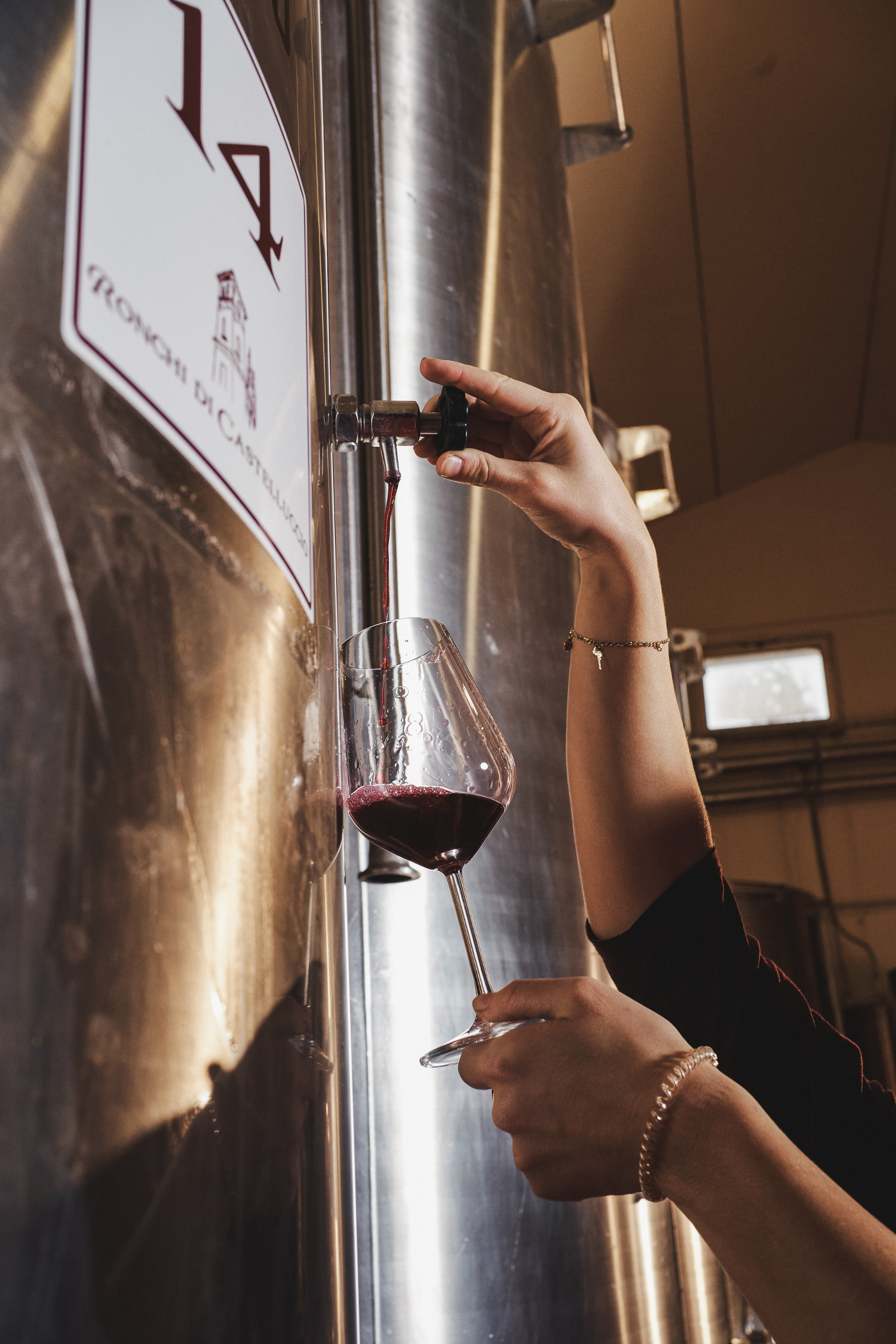
Ronchi di Castelluccio
One of the oldest wineries in Romagna is Ronchi di Castelluccio, about 50km south-east of Bologna. The estate, located in the Modigliana hills in the district of Forlì-Cesena, covers around 30 hectares, and protrudes, like a happy secret just revealed, from the surrounding fog-blanketed lowlands and nearby Adriatic. Vineyards in this hilly, wooded territory near the Tuscan border, around 30km away from the Adriatic coast, lie at an altitude of 250 to 500 metres above sea level.
Gian Vittorio Baldi
Founded in the 1970s by Gian Vittorio Baldi, Ronchi di Castelluccio was the first producer in the region to make wine from a single vineyard. Baldi was influenced by French winemaking theory from the nineteenth century in which the best expression of terroir could only be obtained by associating different clones of grape varieties with specific parcels of land.
In those days, there were many small producers making wine mostly for their own consumption. So, Baldi made the bold decision to plant vineyards facing east and northeast, rather than the usual southwest exposure, to maintain freshness in the grapes for quality wine production.
Initially, Baldi focused on two grape varieties - Sangiovese and Sauvignon Blanc. The cultivation and vinification of Sangiovese had been a tradition for centuries here, while Sauvignon Blanc was not common. However, Baldi felt that it was an ideal variety that could ripen well at the altitude and in cold winters. More recently, climate change has benefited other grapes in the region, notably Trebbiano and Albana.
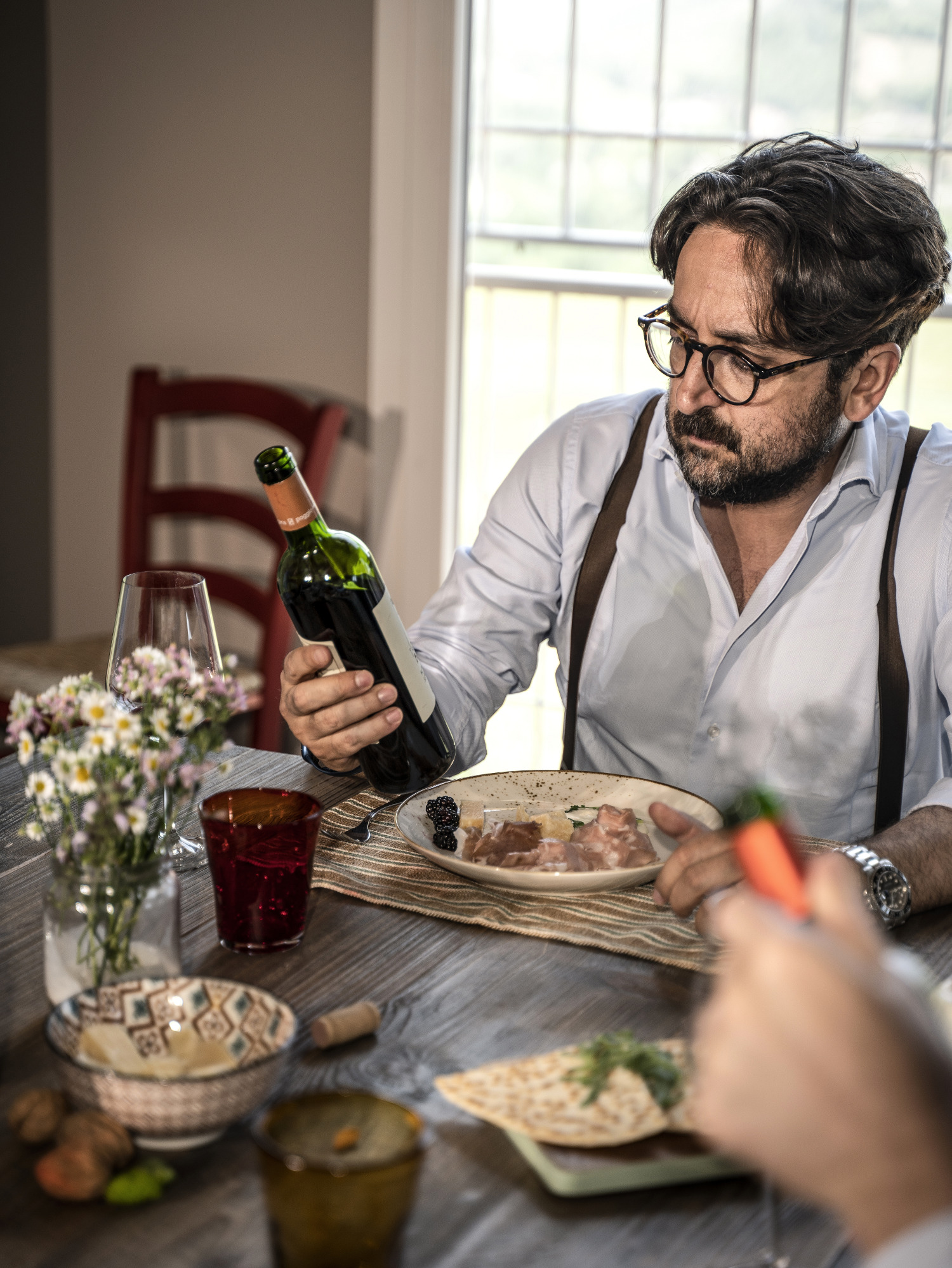
Aldo Rametta
The Ronchi
Brothers Aldo and Paolo Rametta, who acquired the estate in 2020, decided from the start to concentrate on quality with respect for Baldi's traditional values. Grapes from individual pieces of land - ronchi - are, therefore, vinified separately, just as they were originally.
These ronchi had been manually created with an archaic billhook called a roncola, in order to produce single-vineyard wines from small clearings in the middle of the surrounding forests. Each one is around one hectare in size and has different characteristics because of their position and the woody, biodiverse vegetation that grows around them.
Terroir
Along with the altitude, these woods are a defining feature of the area. For each hectare of vineyards in Modigliana, there are approximately four hectares of woods. However, at Rocchi di Castelluccio, this ratio is even greater and there are seven hectares of woodland per vineyard.
Soils are poor, based on 75% sandstone at Ronchi di Castelluccio (the region average is 90%) and the remainder marl, with steep slopes identified as particularly suitable for the production of quality wine.
The brothers also own the Poggio della Dogana estate, which they acquired in 2017 and was their first wine project. The 20 hectares of organic vineyards here, around 30km east of Ronchi di Castelluccio, lie at an altitude of between 180m and 300m on iron-rich clay, calcareous and sandy soils.
A continental climate sees cold winters and hot, humid summers, while altitude and Adriatic breezes offer some protection from disease and extremes of heat.
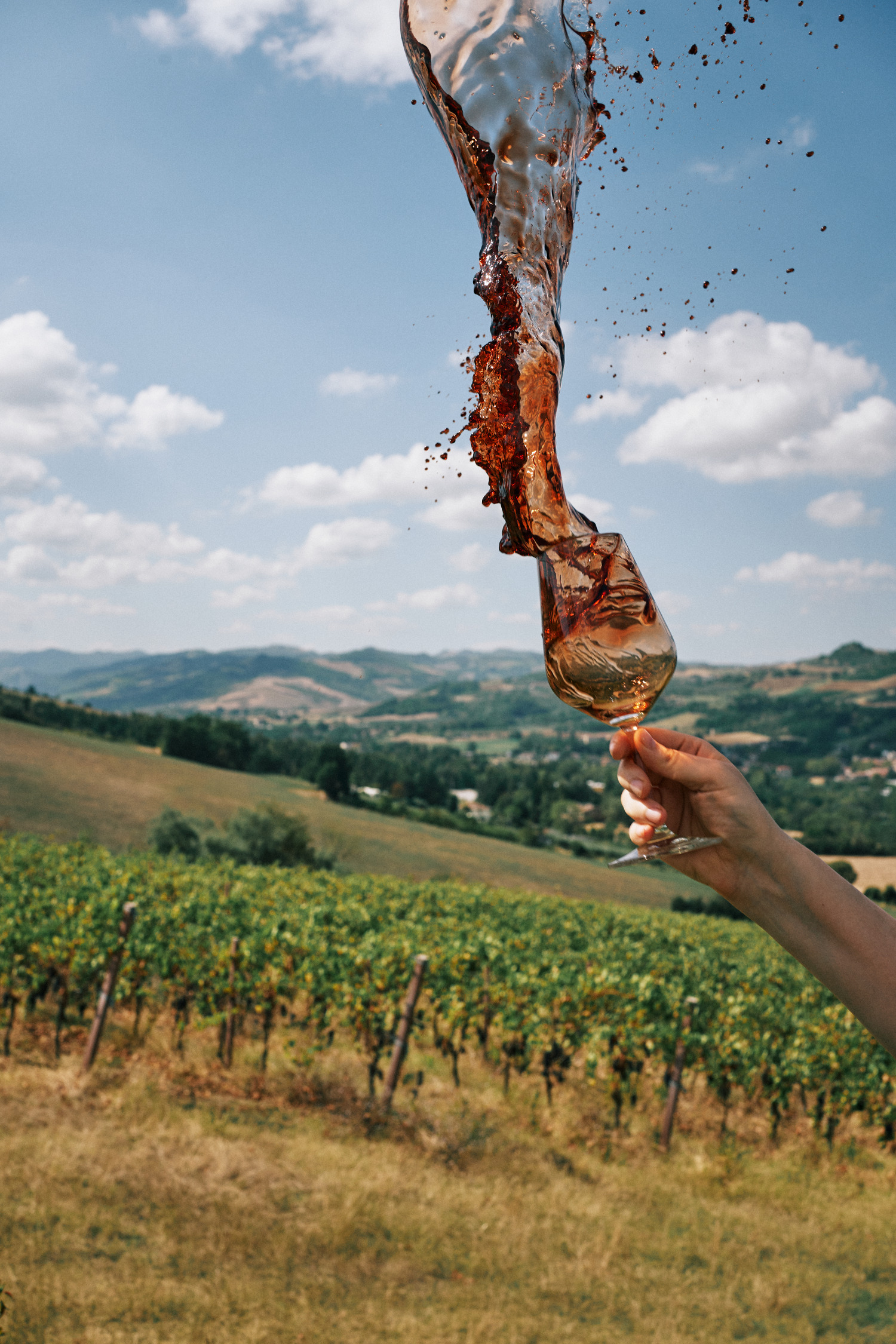
Vineyard at Poggio della Dogana
Tradition and innovation
Francesco Bordini, son of Remigio Bordini, Baldi's agronomist, oversees oenological management, and shares the Rametta brothers' vision. Historic vines have been restored and old growing methods, including guyot, cordon spur and low-trained albarello help grapes ripen even at low temperatures thanks to soil heat.
In addition to the 50-year old ronchi, quality wines also come from newer, 35-year old plantings of Sauvignon Blanc and Sangiovese, while entry-level wines are produced from grapes grown on younger vineyards. They also have a small vineyard of Cabernet Sauvignon from which they generally make no more than 500 bottles. Average annual production is around 85,000 bottles, 90% of which are sold domestically.
Biodiversity and sustainability are core values of the Rametta brothers and they have plans to install solar panels in the future.
Uniqueness of Sauvignon Blanc
White wines from the region show freshness, good acidity and often a touch of salinity on the finish. However, one of the more distinctive features of the Sauvignon Blanc here is its ability to age for many years. Aldo Rametta explains further: "We have a library that shows us how even Sauvignon Blanc can age gracefully. We have bottles over 30 years old that still show an amazing profile. So, we want to continue showing how the territory can give wines this longevity."
Uniqueness of Sangiovese
Aldo Rametta describes the unique character of Sangiovese from Modigliana. "You will never find very bold wines", he says, "but they have a certain verticality and elegance. Tannins are very well balanced by the acidity of the Sangiovese." Just as for the distinctive nature of the white wines, he puts this down to the soil, altitude and the woods surrounding each vineyard which help preserve freshness in the grapes.
The wines
At a recent masterclass led by Aldo Rametta, participants had the opportunity to taste their most iconic wines, all made with spontaneous fermentation:-
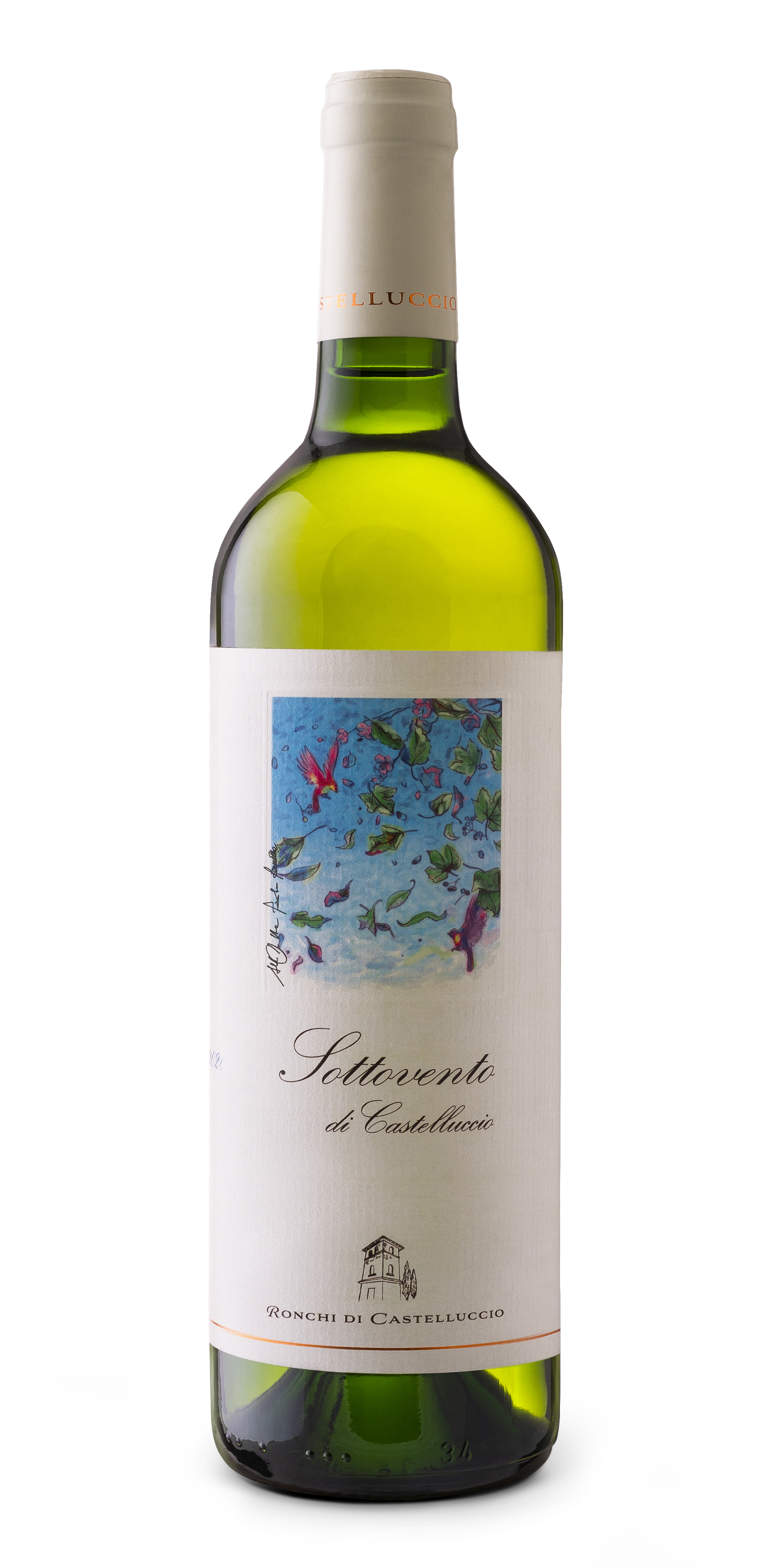
Sottovento di Castelluccio Forlì IGT Sauvignon Blanc 2022
Sottovento is a 35-year old vineyard, located at around 400 metres above sea level. Unlike the other older vineyards which face east-northeast, this has a west-southwest exposure. Prior to the Rametta brothers' acquisition of the estate in 2020, it was used for the production of more entry-level wines.
Aged for about 12 months in third and fourth passage used barriques, the wine spends a minimum of 18 months in the bottle before release.
🎚️ ABV: 13.5%.
🔍 Colour: Light bright gold.
👃 Nose: Fruity and floral with gentle hints of dried flowers, tropical fruit and hay.
😋 Palate: Restrained notes of tropical fruit, preserved lemons and a hint of fresh basil with a touch of brine on the crisp, mineral, wet stone finish. Unlike many Sauvignon Blancs, the overall effect is one of sapidity more than the passion fruit and green, herbaceous notes often associated with the grape, which makes it a very moreish wine!
🍴 Food Pairings: Cold cuts, soft cheeses, grilled tiger prawns or seafood pasta.
Ronco del Re Colli di Faenza DOC Sauvignon Blanc 2022
Ronco del Re is one of the original, east-facing vineyards, planted in 1974 at 350-380m altitude, which saw its first vintage in 1981.
After spontaneous fermentation in small wood barrels, the wine is aged for nine to ten months in first and second passage barriques (which are subsequently used for Sottovento), this wine then sees at least two years in bottle.
🎚️ ABV: 13%.
🔍 Colour: Bright gold.
👃 Nose: Hints of guavas, dried apricots, golden pears and quinces with a touch of amber spice.
😋 Palate: More complex and structured than Sottovento with some textural grip, this shows touches of tropical fruit, nectarines, orange peel, dried apricots and dried pears plus a little turmeric spice. Good acidity ensures freshness throughout and there's a savoury and saline edge on the long, persistent finish. While very enjoyable now, the wine has many years ahead of it.
🍴 Food Pairings: This is Sauvignon, but not as you know it! The richer textured profile makes it particularly good with a wide variety of flavourful dishes, including turbot in a citrus butter sauce, sweet and sour chicken and baked artichoke hearts with white wine, garlic, lemon, parsley and breadcrumbs!
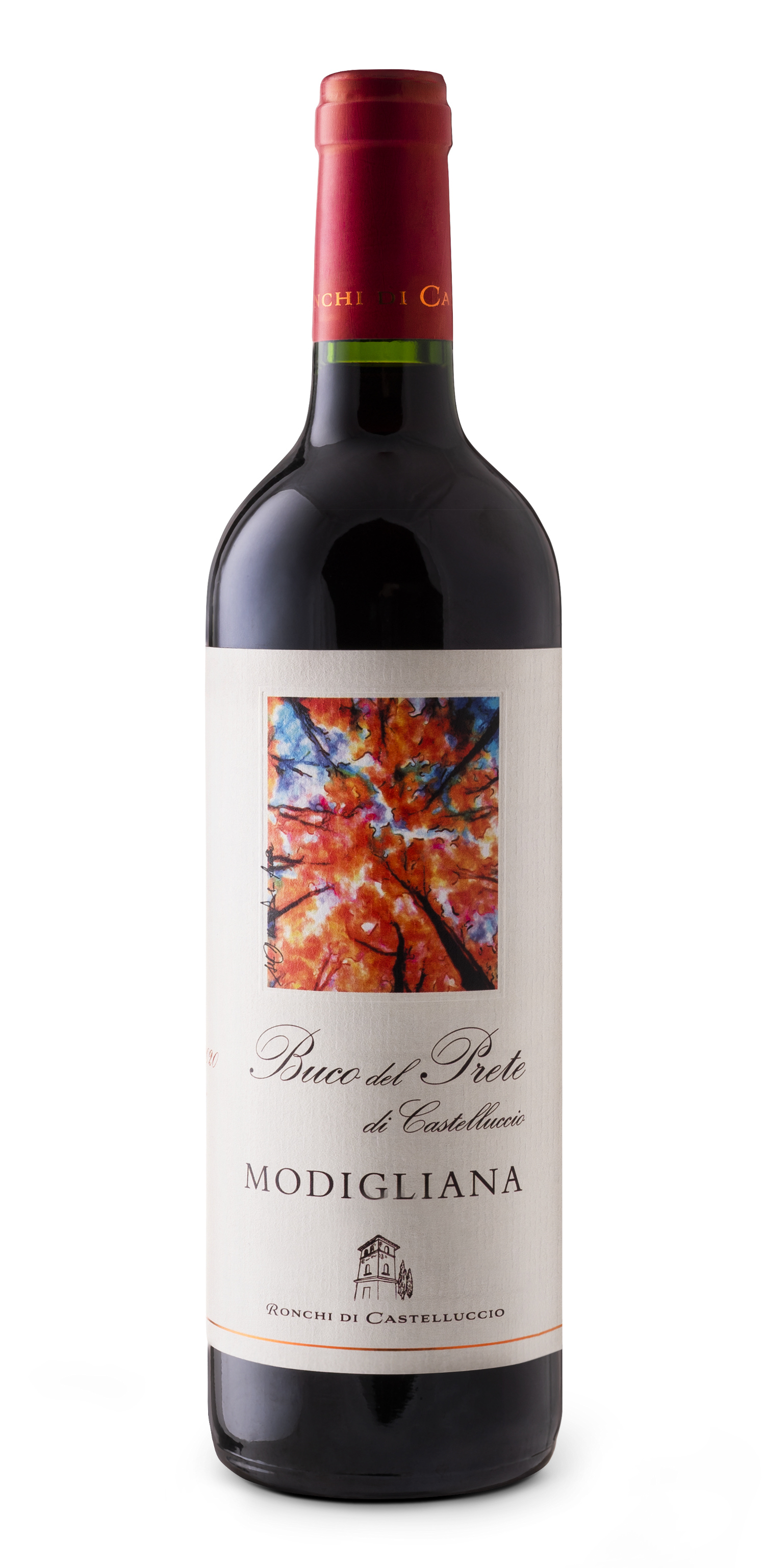
Buco del Prete Romagna DOC Sangiovese Modigliana 2022
Buco del Prete was planted 35 years ago with Sangiovese, at just under 300 metres above sea level. It's the lowest vineyard on the property, faces east and is named because "it looks like a hole in the middle of the surrounding woods", says Aldo Rametta. Similar to Sottovento, the vineyard became a cru in 2020.
This wine spends around a year in 30-hectolitre oak barrels before a further 18 to 20 months in bottle.
🎚️ ABV: 13.5%.
🔍 Colour: Dark red.
👃 Nose: Notes of cherries and forest berries with hints of mocha, menthol and cedarwood.
😋 Palate: Notes of cherries and cherry skins with hints of dark chocolate, tobacco leaf, star anis, nutmeg and herbs plus a savoury edge. Tannins initially feel a little grainy, but if given time to breathe, the wine opens up and the tannins soften, allowing the fruit and savoury flavours to integrate fully. Although enjoyable now, the wine has the capacity to age for several more years.
🍴 Food Pairings: A good pairing for hearty venison, beef or mushroom dishes with gravy or jus.
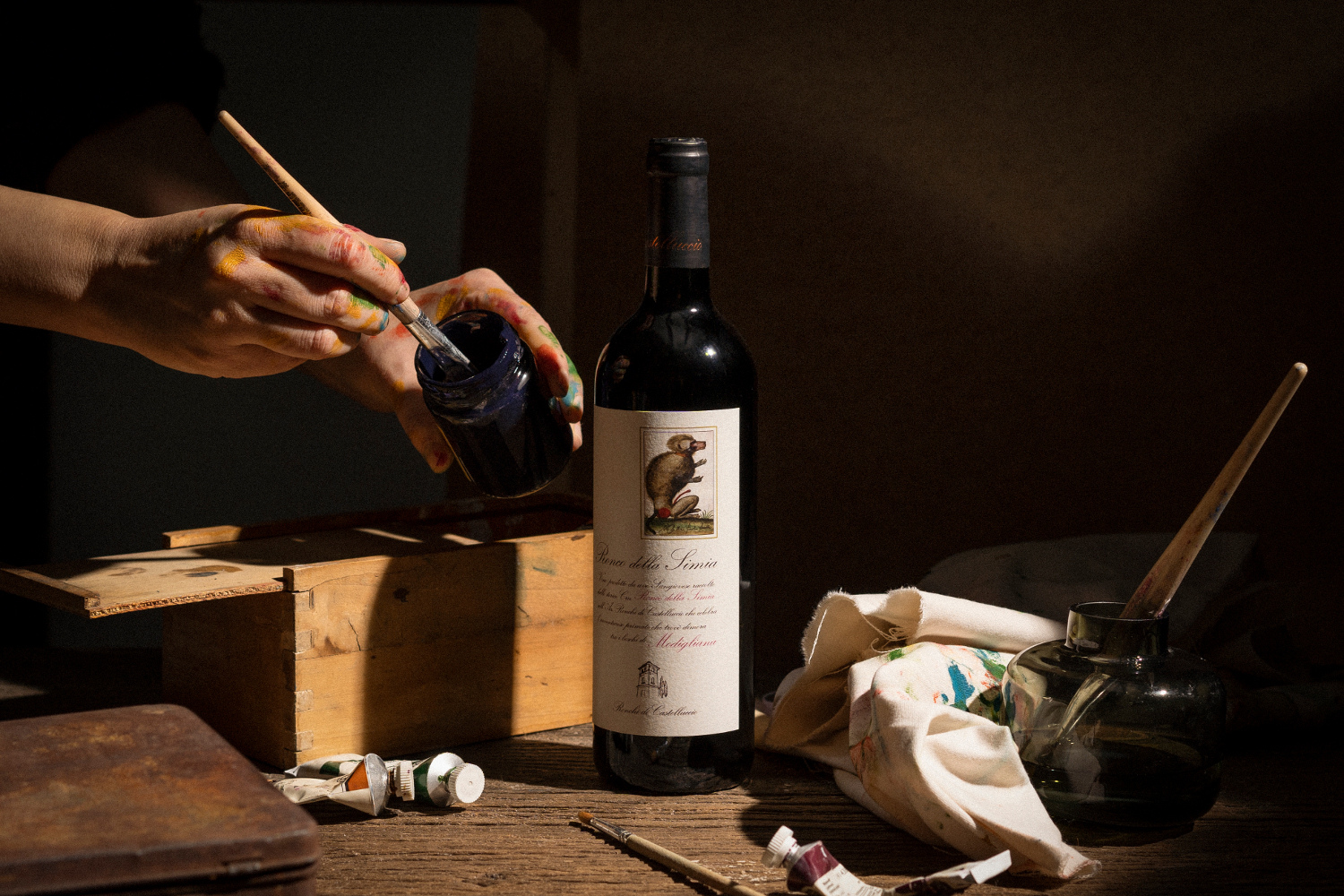
Ronco della Simia Romagna DOC Sangiovese Modigliana 2020
Ronco della Simia, another of the original vineyards, lies at around 380m altitude and also faces east.
"It's a wine that plays on elegance more than opulence", says Aldo Rametta.
The distinctive label has its own unique story! Ronco della Simia translates literally as Vineyard of the Monkey. During the second world war, Romagna was one of the most intense battlefields during the liberation of Italy. One of the Allied soldiers kept a little monkey with him as his mascot. After the war, he decided to remain in the area and legend has it that when the monkey died of old age, he buried it in the same field that became a vineyard many years later.
This wine ages for nine to ten months in French oak tonneaux and at least two years in bottle.
🎚️ ABV: 13.5%.
🔍 Colour: Deep ruby red with a tinge of garnet.
👃 Nose: Notes of strawberries, red cherries, wood spice and charred embers.
😋 Palate: Notes of spiced red berries and cherries with smoked paprika, cedarwood, a hint of eucalyptus and a delicious savoury, earthy edge on a long finish. Decanting is recommended, as the wine needs time to breathe and open up, allowing the bright and initially drying tannins to mellow and more cherry and meat juice notes to come to the fore. While you can drink the wine now with appropriately rich food, it will develop beautifully with further ageing in bottle.
🍴 Food Pairings: Roast beef with a savoury gravy, rich game stews or mushroom Bourguignon would be good matches.
Why you should choose these wines
Aldo Rametta believes that the combination of soil, altitude and woods surrounding each vineyard has a strong impact on both red and white wine styles. The wines described above are certainly distinctive. The two Sauvignon Blancs are different from other expressions of that grape from the north and north-east of Italy or elsewhere. They have a saline or savoury edge and feel somewhat richer with less overt tropical fruit and pyrazine (herbaceous and vegetal, like green bell pepper) character. Similarly, the Sangioveses are clearly different from their Tuscan neighbours across the border and show more savoury and fresh, balsamic notes with less sour cherry, leather and oak concentration. They also feel a little lighter in body and, therefore, should appeal to the modern wine consumer.
So, if you're looking for wines with individuality and a point of difference which maintain a light touch despite their complexity, then these elegant Romagna options are worth considering.
Ronchi di Castelluccio is currently looking for UK wine importers. Current retail prices in Italy are around €22 for Sottovento and Buco del Prete, €60 for Ronco della Simia and €65 for Ronco del Re.