Collio Goriziano DOC
The premium Italian white wine region you need to know about!
Friuli Venezia Giulia in the north-east of Italy is well known by wine lovers, especially for its white wines. These include those made from the globally successful Pinot Grigio, Sauvignon Blanc and other international grape varieties, but also from indigenous grapes, such as Friulano (previously known as Tocai Friulano), Verduzzo and Picolit. However, its neighbouring region, Veneto, is perhaps a more familiar name with huge worldwide success for Prosecco, in particular, as well as major tourist hotspots like Venice and Verona.
Discover Collio
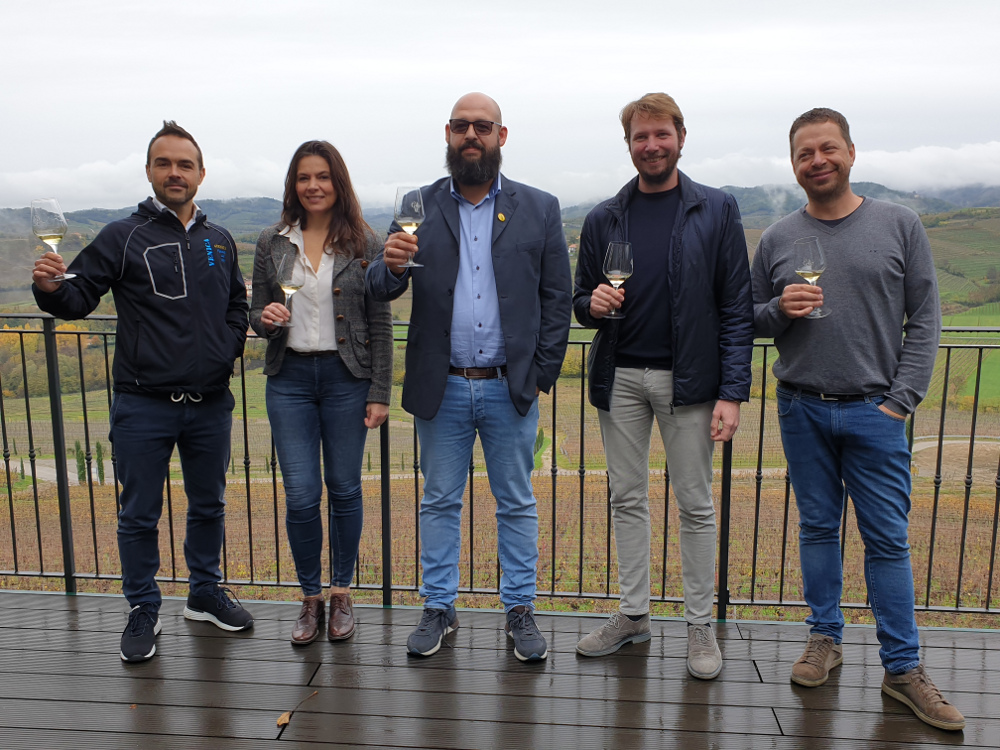
Yet, never has there been a better time than now to venture further afield and discover Collio, a crescent-shaped 'hidden corner' of Friuli Venezia Giulia on the Slovenian border, near the historical town of Gorizia. Here you will find imposing snow-capped mountains overlooking steep rolling hillsides, beautiful valleys and forests straddling the frontier between two cultures linked by history, war, food and wine.
Terroir
The region is situated between the Julian Alps and the Adriatic Sea, with influences from both keeping the climate mild. Warm air and sea breezes from the south keep grapes dry, while the mountains protect vineyards from the colder winds. Cool air at night helps maintain acidity levels in the grapes, crucial for fresh tasting wines. A unique soil called ponca, a mixture of ancient layered marl and sandstone filled with sea fossils, nourishes the vines and gives the wines their characteristic saltiness, flinty tang and minerality.
Winemaking history
Winemaking goes back to pre-Roman days, before the area became a key trading post during the Roman Empire. The wines continued to be highly sought after throughout the Middle Ages, during Austro-Hungarian rule and finally under Italian control.
Until the middle 1800s, Collio had more than 400 grape varieties. Most of the wines made were blends, with Ribolla, Schioppettino and Malvasia widespread. Afterwards, other grapes, including Pinot Grigio, Sauvignon Blanc, Tocai Friulano, Merlot, Cabernet Sauvignon, Picolit became very well known.
Effects of war
Later, in the 20th century, new vineyards were planted as a result of the two World Wars. Collio was a frontline battlefield during World War I and fierce battles were fought in the vineyards. So, the viticulture evolution was incentivized by reconstruction. Wine consultant and author Matteo Bellotto comments: "People planted the vineyards in order to reconstruct their own identities. Wine was the only natural and safe thing to drink and it was the power drink for working in the fields. Replanting vineyards came from the natural resilience of the people. Grapes grown included Ribolla, Tocai Friulano, Merlot and many others."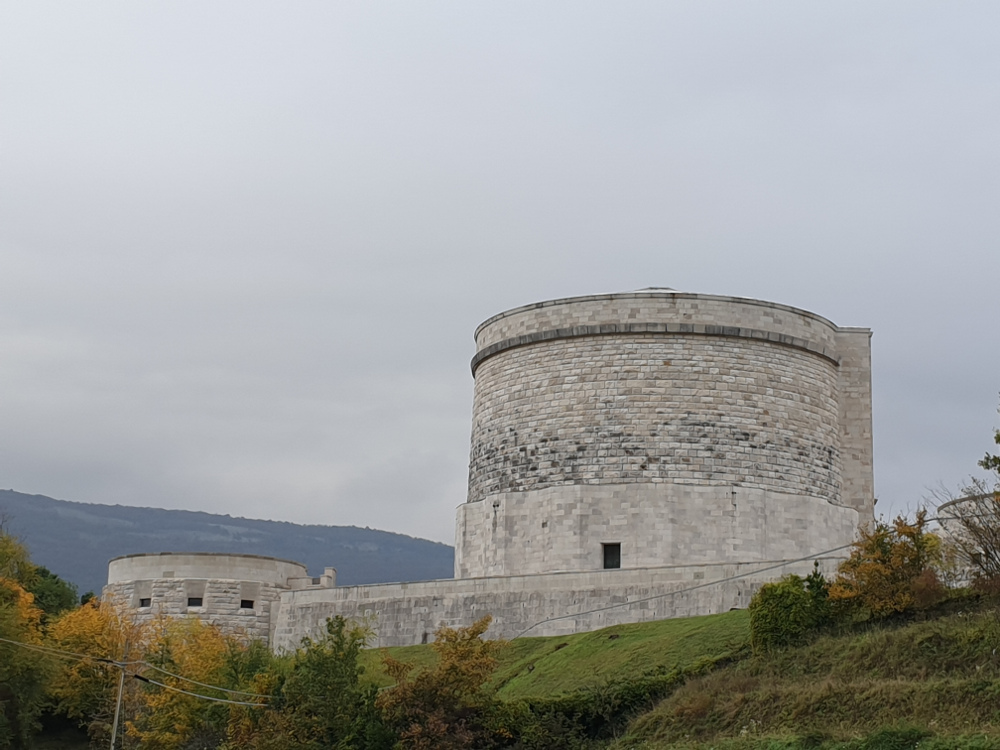
The Oslavia War Memorial, one of the most important monuments to the war, is built directly on the hilltop battlefields of the Collio/Slovenia border in the village of Oslavia, on the outskirts of Gorizia.
Collio DOC
Collio Goriziano DOC (more often known simply as Collio DOC), the quality appellation, was created in 1968 and today encompasses around 1,500 hectares of vines. These wines account for only 11-12% production of the whole of Friuli Venezia Giulia, so currently just a small amount is exported to the UK and around the world.
Grapes
The majority of grapes are white - approximately 86% - with only around 14% red grapes planted, including Merlot and Cabernet Sauvignon. Collio truly expresses itself through its white wines, with their unique traits, perfectly matched to the local cuisine. As well as more recognisable international grape varieties, such as Chardonnay, the region specialises in four indigenous varieties:-
- Friulano (previously known as Tocai Friulano): described by producers as making the most representative white wine of the region. It's known for a refreshing bitter almond character, delicate fruit and herbaceous touches with low acidity and a saline quality. While great with seafood dishes, these white wines, unusually, make a perfect match for the local salami and prosciutto, the fresh, palate-cleansing chalky minerality washing down the fattiness of the cured meats.
- Ribolla Gialla: good acidity, gentle floral aromatics and often shows fleshy fruit notes with a citric edge. More complex examples are aged on their skins. Wines are a particularly good match for seafood dishes.
- Malvasia Istriana: typically aromatic and fruity, often with orchard fruit and white flower notes. These wines are excellent as an aperitif or to pair with risotto, fish dishes and soups.
- Picolit: used for late-harvest and passito dessert wines. It delivers honey, stone fruit and dried fruit notes.
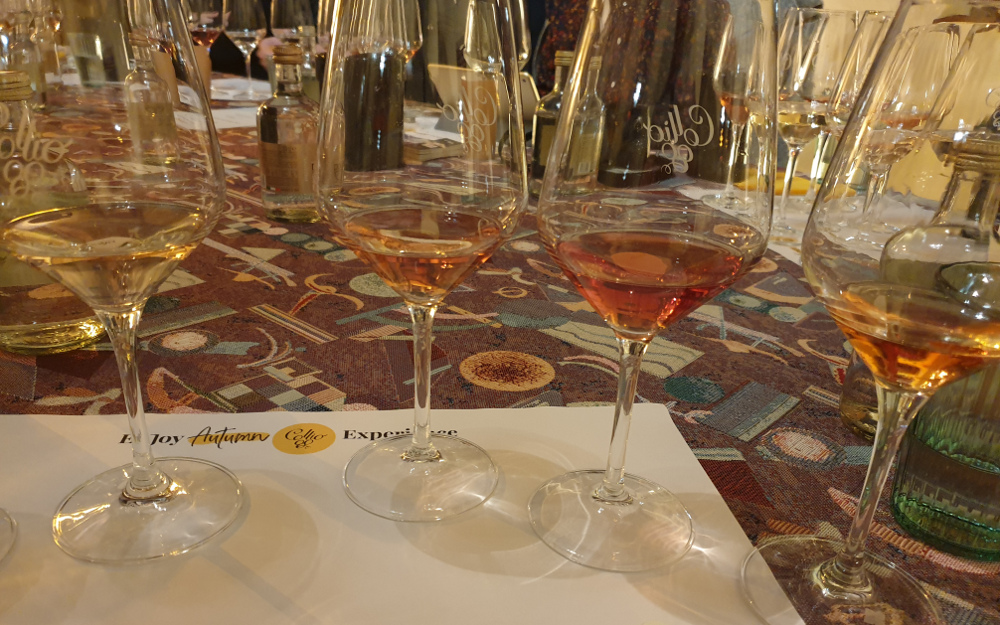
You can also find many fine examples of Pinot Grigio, so often a mass-market grape with little complexity. Yet here in Collio, it's fuller and more elegant, while the skin-contact versions - orange wines - are particularly delicious, multi-faceted and great for many food pairings.
Collio Bianco
Collio Bianco is the signature expression of the region. It's a complex, elegant and fruity white blend, a synthesis of the best grapes, which varies between producers and vintages. Based primarily on indigenous grapes, this is a style that producers say "speaks of the land where it's from". Each winery makes a unique version, an interpretation of the terroir, local traditions and experimentation. It's also an amazing match for pizza!
Caring for the environment
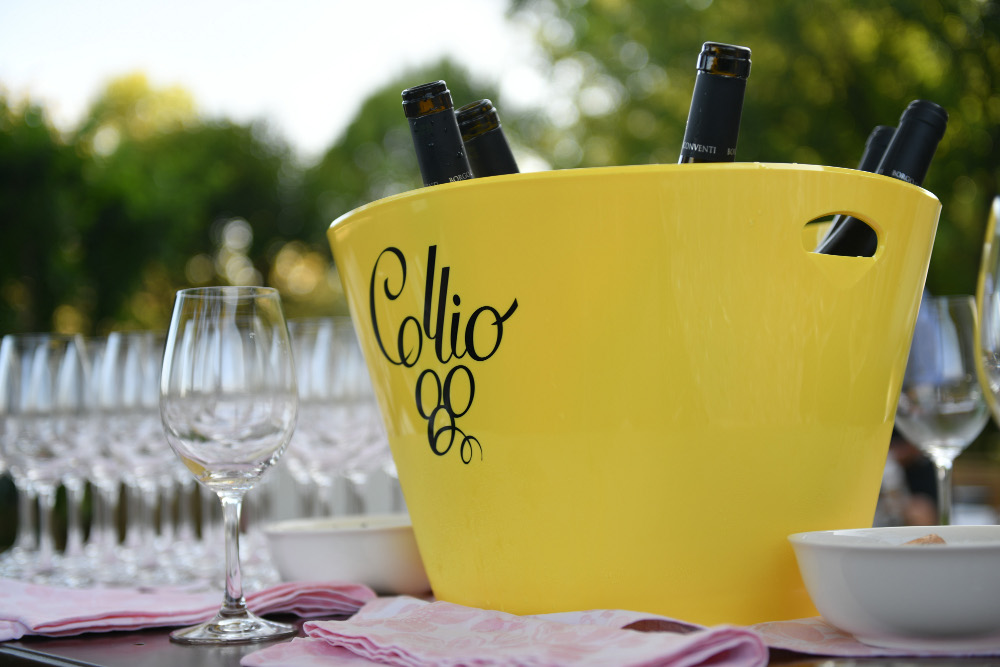
There is also a strong drive towards improving environmental practices with projects that embrace a more sustainable future and maintain healthy soils. Additionally, the new branded Collio bottle with its distinctive yellow label uses less glass with the resultant decrease in energy costs during manufacture and lower carbon footprint when transported.
Some wine recommendations
Collio's white wines have unique qualities that make them a joy to discover and are often best to drink after a couple of years in bottle. Many of them deliver mouth-watering salinity and minerality, while skin contact versions, aka orange wines, are both rich and fresh with delicious complexity and length. They can also pair really well with meat, particularly Friulano.
Here are ten recommendations to seek out:-
Friulano
- Venica&Venica Ronco delle Cima Friulano DOC Collio 2021
- Zorzon Friulano DOC Collio 2021
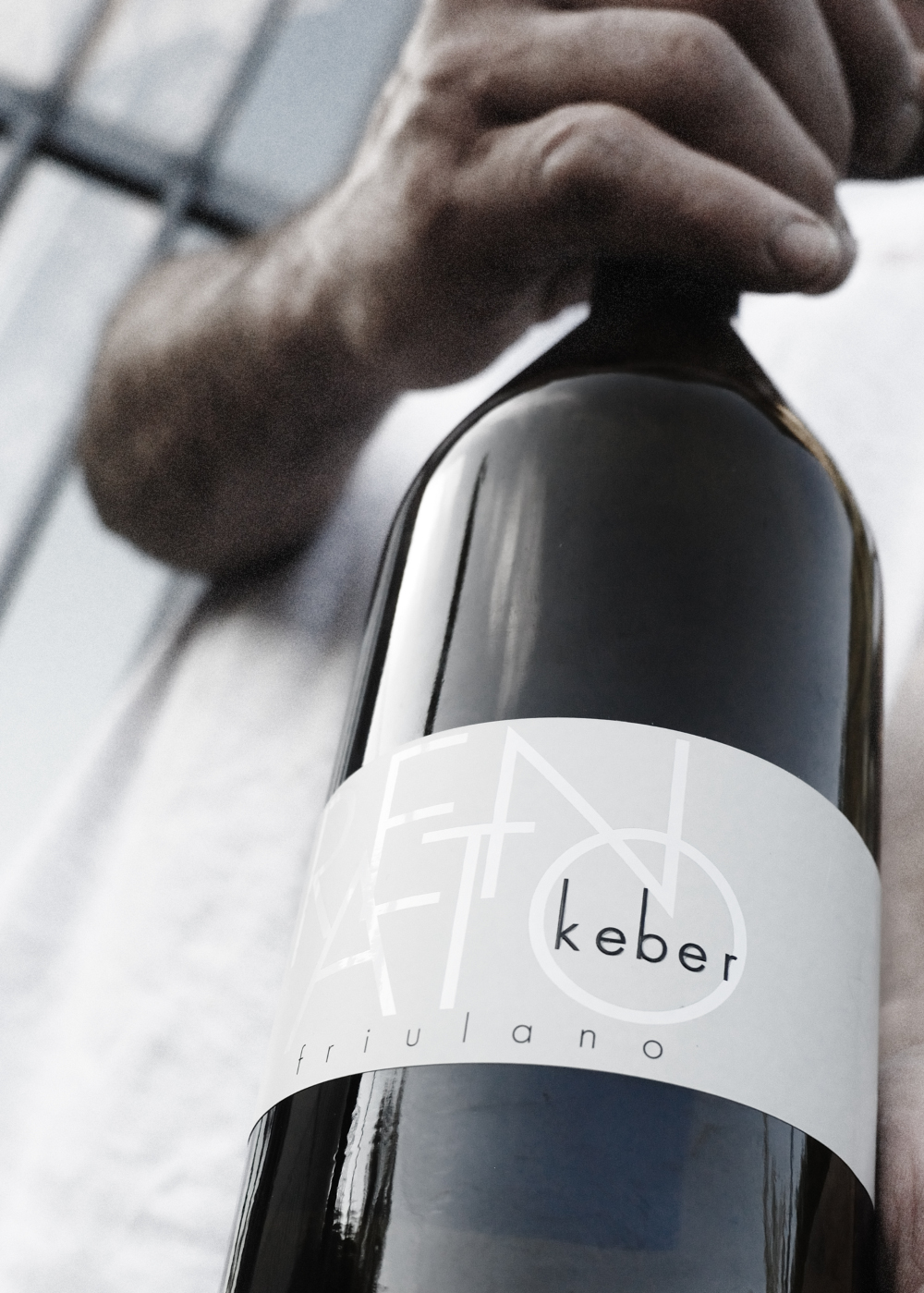
- Renato Keber Zio Romi Friulano DOC Collio 2018
Nose: aromatic and floral with notes of peach, pear, herbs, white blossom and almond.
Palate: fresh and fruity with notes of peach and pear, a salty/savoury edge plus a touch of spice and a characteristic almond finish.
Food Match: perfect with cold meats, seafood starters, chicken and mushroom risotto.
This wine is available in the UK from Decorum.
Nose: aromatic and fruity with notes of wild flowers and peach.
Palate: dry, fresh and delicate with notes of peach, bitter almond and a slight salty tang.
Food Match: perfect with fish, grilled chicken, cured meats and pasta served with wild game.
Nose: fruity and aromatic with notes of wild flowers, apple, melon rind and almond.
Palate: dry, savoury and mineral with notes of crunchy apple and roasted almonds.
Food Match: versatile with many dishes, but particularly good for prosciutto and aged cheeses.
Ribolla Gialla
- Humar Ribolla Gialla DOC Collio 2021
- Primosic Ribolla Gialla Riserva DOC Collio 2018 'Orange Wine'
Nose: fruity and aromatic with touches of peach, citrus and apple.
Palate: dry, savoury and mineral with notes of crunchy apple and roasted almonds.
Food Match: great for starters like focaccia with olive oil and radicchio, vegetable soups or pasta dishes.
Nose: floral notes of acacia flowers with hints of tobacco leaf, citrus, apple, honey and a touch of spice.
Palate: long, mineral, rich and complex with notes of stone fruit, apricot kernel, soft chestnut purée and a touch of tannin.
Food Match: great for vegetarian dishes, including tempeh served with caramelised onions and mushrooms, but also with grilled salmon, cured meats and mature cheeses.
This wine is available in the UK from FortyFive10° and Vinissimus.
Pinot Bianco
- Marco Felluga Pinot Bianco Russiz Superiore DOC Collio 2021
Nose: intensely aromatic and floral with notes of ripe peach, apple, wild flowers and herbs.
Palate: full and elegant with notes of fleshy white fruit, a mineral, salty mouthfeel and good length.
Food Match: a particularly good pairing for grilled or baked fish, seafood, sushi and pasta dishes (fish or vegetarian).
This wine is available in the UK from The Great Wine Co..
Pinot Grigio
- Fruscalzo Pinot Grigio DOC Collio 2021
Nose: fresh and fruity with notes of juicy peach and apple.
Palate: well-balanced, silky and showing some delicacy, this has notes of white peach and pear with a mineral-toned finish.
Food Match: versatile with many types of food, including aperitifs, seafood pasta, fish and light white meat dishes.
- Primosic Pinot Grigio Skin DOC Collio 2019
Nose: notes of red berry, strawberry syrup, orange citrus fruit and wild flowers.
Palate: full and complex with notes of strawberry, cherry, red pear, dried apricot, spice and a tannic hint of tea from the extended skin contact plus a mineral finish.
Food Match: a great food pairing for grilled fish, white meat or game casseroles and mature cheeses, it will also stand up to smoky or spicy dishes.
Collio Bianco
- Tenuta Borgo Conventi 'Luna di Ponca' Collio Bianco DOC Collio 2019
Nose: aromatic with notes of lemon zest, white blossom, apple, pear, brioche and grated almonds.
Palate: fresh, smooth, full and structured with a similar character to the nose plus toasted wood notes and a touch of hazelnut.
Food Match: this blend of Friulano, Malvasia Istriana and Chardonnay has the complexity to pair with a variety of foods containing rich flavours and textures, including pizzas made with creamy burrata, fried aubergine and aged Grana Padano!
This wine is available in the UK from Mad About Wines.
- Raccaro Collio Bianco DOC Collio 2018
Nose: floral and fruity with notes of white blossom, peach, pear, a touch of citrus and Mediterranean herbs plus a hint of chamomile.
Palate: quite full-bodied and savoury with fleshy fruit notes of peach and pear, alongside nettles, herbs and fresh acidity.
Food Match: this fruity, herbaceous blend of Friulano, Sauvignon Blanc and Pinot Grigio can be drunk on its own, or will be great with soups, sausage, mushroom or fish dishes and also pizzas made with spicy nduja and pistachio pesto!
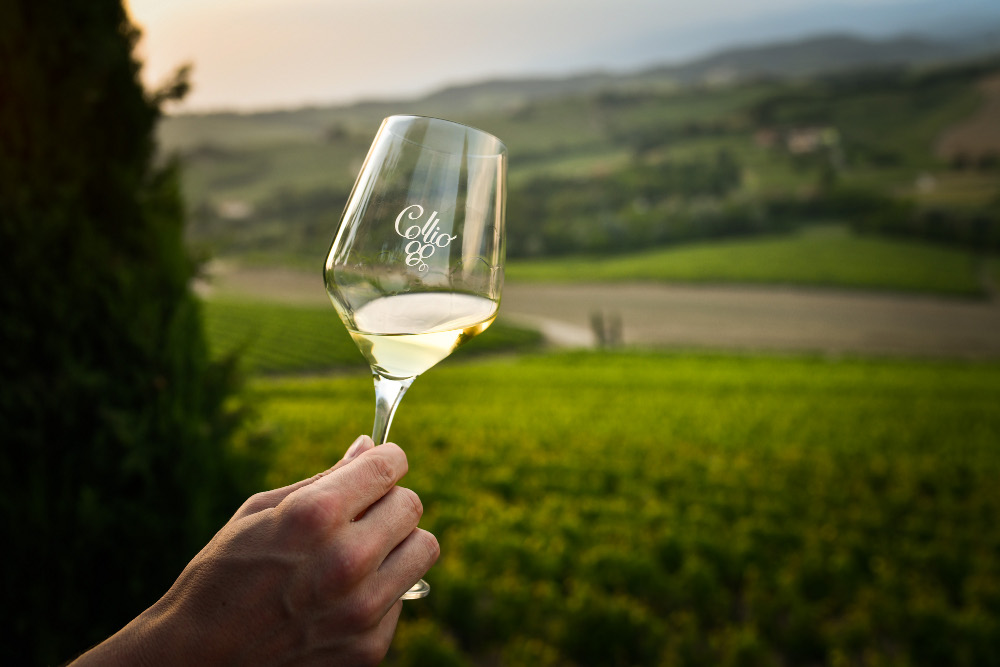
European Capital of Culture: a tourism and gourmet destination
The towns of Gorizia in Collio and Nova Gorica in Slovenia, linked by a new bicycle and pedestrian path will be joint European Capitals of Culture in 2025. This will be a great opportunity to experience the melting pot of cultures that characterises this part of Italy. However, there's already a multitude of tourist options to entice wine, gastronomy, history, nature and beach lovers today. Trieste, the capital of the region, is a haven for coffee and culture lovers; Aquileia is an ancient Roman city and UNESCO World Heritage Site; and there are mountains, beaches, lagoons and nature reserves to explore too in this part of Italy.
… and the area is within 1½ hours' drive from Venice airport and even closer from Trieste.
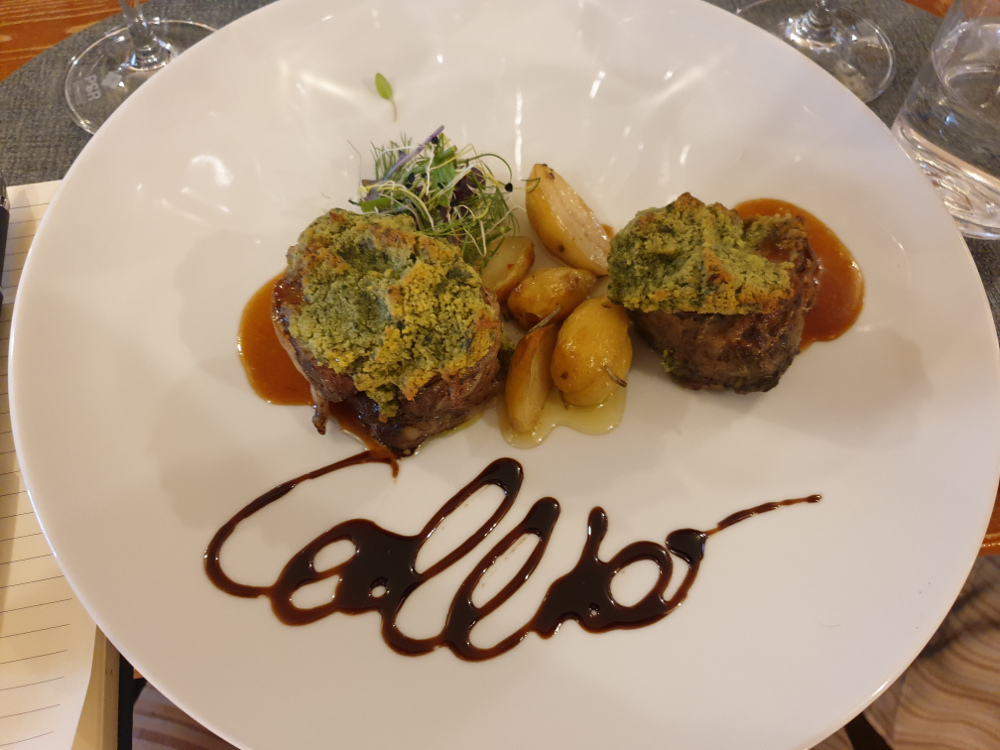
Gastronomic traditions reflect the many cultural and historical influences that the region has experienced over the centuries. Wild game, rich pasta dishes, cured meats and local desserts such as Gorizian Gubana, a panettone-like bready cake, are filling and hearty. Wash this all down with some delicious wine and finish with a local Grappa - what's not to like!?
Time to discover Collio
Collio is one of the finest areas in Italy for white wines. Because of the unique qualities of the soil, the wines maintain their freshness, even when low in acidity, and can age in bottle for a few years.
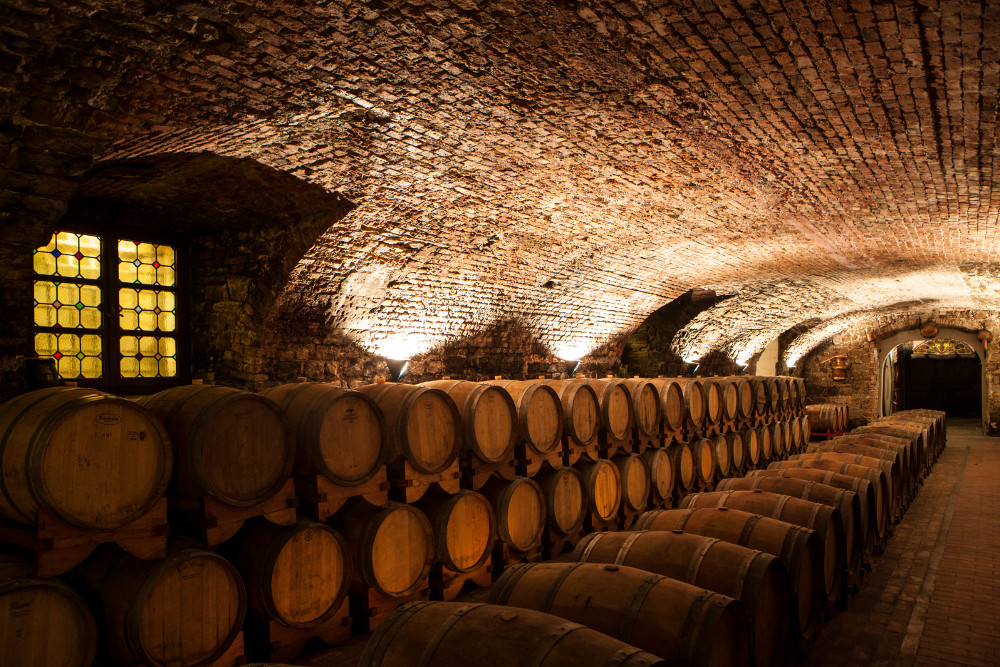
The great vini bianchi of Italy can accompany a whole meal and there's never been a better time than now to discover the treats of Collio. Why not do it in situ by staying at the historic Castello di Spessa Golf Wine Resort & Spa, in the heart of Collio Goriziano, where Giacomo Casanova himself spent many happy days in 1773. Whether you're after wine or romance, this is a good base from which to explore the region, perhaps more salubriously than the infamous seducer!
You can find further details about the region and its wines on the Consorzio Tutela Vini Collio's website, and an abridged version of this article is also available online at Académie du Vin's online magazine, Vinosity. Do check out the other reports on The Write Taste for more reviews on Italian and other wines.